
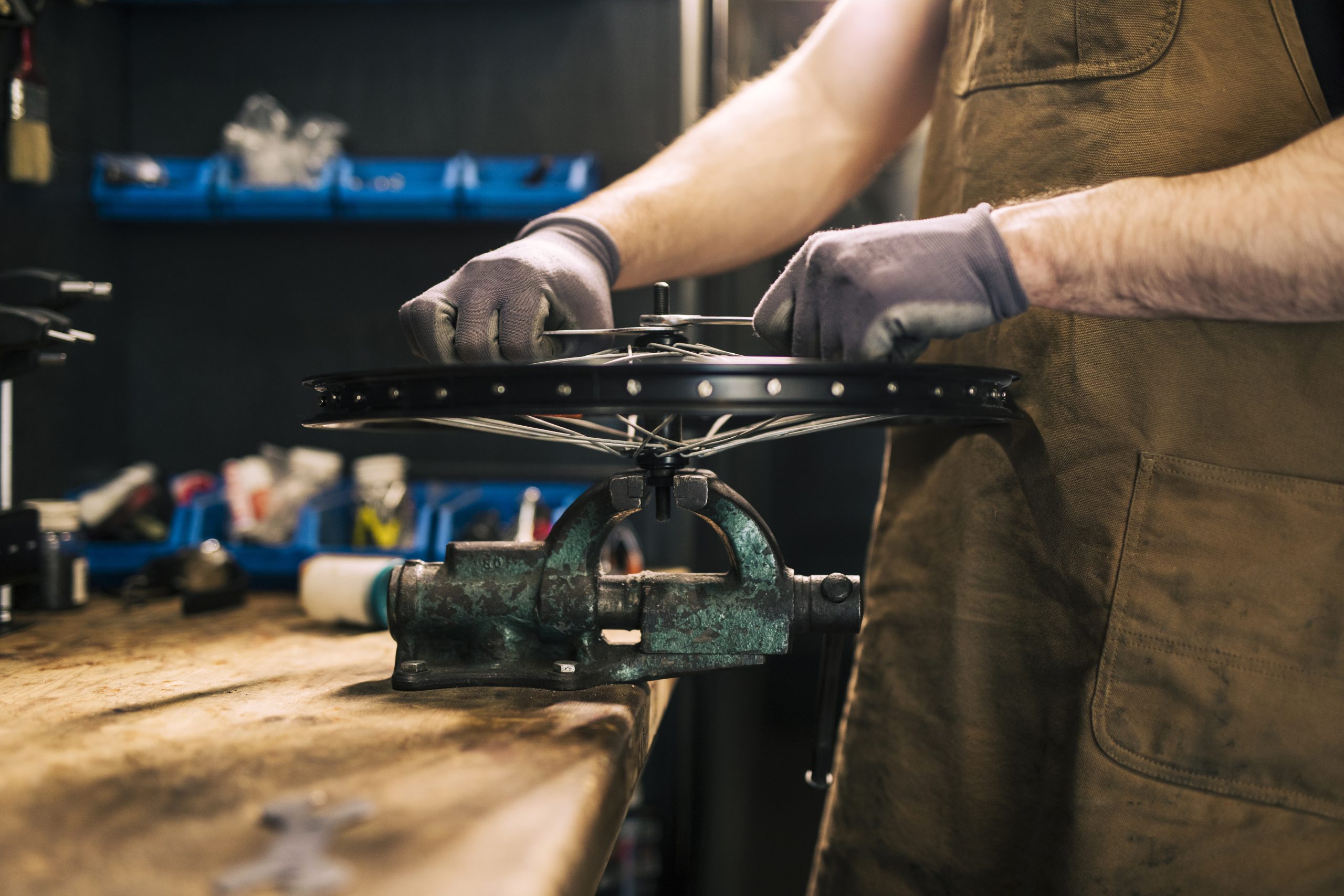
In industrial maintenance work, problems often begin long before a machine actually fails. One common source of hidden damage comes from how components are removed during servicing. Bearings, in particular, are frequently affected when incorrect removal methods are used. This is where a bearing puller becomes essential for maintaining equipment integrity.
Bearing removal may look straightforward, but in real working conditions, it often involves tight spaces, seized components, and years of wear. When removal is rushed or done without proper tools, the result is usually damaged parts, repeat failures, and unnecessary downtime. In many cases, the bearing comes out, but the damage is already done to the shaft, housing, or seating surface.
When Bearing Removal Becomes a Challenge
Bearings are designed to fit tightly so they can support rotating loads safely. Over time, exposure to heat, vibration, dust, and moisture can cause bearings to bind even more firmly to shafts or housings. Corrosion and contamination can make the fit worse, especially when the equipment runs for long hours and servicing is delayed.
In motors, pumps, and gearbox assemblies, bearings are often positioned deep within equipment. Limited access makes it difficult to apply force evenly, which increases the risk of misalignment or surface damage during removal. Tight working space also forces technicians into awkward tool angles, which can make improvised methods even more dangerous and unpredictable.
Common Errors That Lead to Equipment Damage
One of the most frequent mistakes is relying on improvised methods such as hammering, prying, or applying excessive heat. While these methods may remove the bearing eventually, they often damage shafts, housings, or bearing seats in the process. A small dent or scratch may not look serious in the moment, but it can affect how the replacement bearing sits and performs later.
Another common issue is applying force from one side only. This causes the bearing to tilt, increasing friction and making removal harder. The more it resists, the more force gets applied, and the cycle repeats. Over time, these small mistakes contribute to vibration issues, noise, and premature failure after reinstallation.
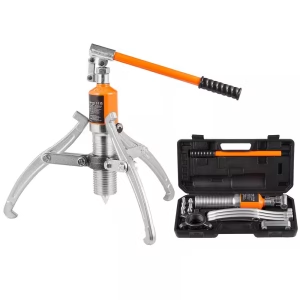
Using the right removal method allows force to be applied evenly so the bearing comes off more smoothly, without stressing surrounding components.
How Improper Removal Affects Long Term Performance
Damage caused during bearing removal is not always visible immediately. Small scratches, uneven seating, or slight alignment shifts can reduce the lifespan of replacement bearings and affect machine balance. In some cases, the machine will run normally for a short period, then problems start to show up later.
These issues often appear as overheating, vibration, or unusual noise that returns even after new parts are installed. Maintenance teams may end up replacing bearings more frequently, even though the root cause lies in earlier removal practices rather than the bearing itself. This creates repeated downtime, repeated cost, and repeated disruption, especially in facilities where machines are expected to run continuously.
Improving Consistency in Maintenance Work
Consistent maintenance practices improve repair quality across different machines and teams. When technicians follow controlled removal methods, outcomes become more predictable and repeatable. This also makes troubleshooting easier, because problems can be traced more accurately instead of guessing whether damage happened during removal.
Standardising bearing removal techniques reduces guesswork and helps technicians work with a clear process. Over time, this improves workmanship and reduces variation between technicians, especially in workshops where multiple staff handle servicing across different shifts.
A controlled removal approach also supports better planning. When technicians know a bearing can be removed cleanly and reliably, servicing becomes easier to schedule and less likely to run over time due to unexpected damage.
Choosing Tools Based on Real Working Conditions
Industrial environments vary widely. Some applications require heavy duty tools capable of handling large bearings, while others demand compact tools for confined spaces. In some settings, bearings are accessible and straightforward. In others, they sit behind other components, making the removal process more sensitive.
Selecting tools based on actual working conditions such as load requirements, access limitations, and equipment layout helps reduce risks during maintenance work. Proper tool selection also improves safety and shortens repair time. When the tool matches the job, technicians are less likely to force the process, which reduces both component damage and injury risk.
Working With a Supplier That Understands Maintenance Needs
Tools perform best when they are made for real industrial use. Suppliers with practical industry knowledge understand the challenges maintenance teams face and can recommend suitable options based on how equipment is actually serviced on site.
At Dalson Industrial Supplies, we support workshops and industrial clients by providing tools built for demanding environments. The focus is on practical equipment that helps technicians work safely, efficiently, and with more confidence during servicing tasks.
Keeping Maintenance Outcomes More Reliable
Bearing removal is a routine task, but mistakes during the process can cause long term problems. Using proper techniques and suitable tools helps protect equipment, improve maintenance quality, and reduce repeat failures.
When removal is done correctly, shafts and housings stay in better condition, replacement parts fit more accurately, and performance stays more stable. Over time, this helps teams reduce downtime, extend equipment lifespan, and maintain smoother daily operations.
If you’re reviewing your maintenance tools or looking to improve bearing removal practices, you can explore options at Dalson Industrial Supplies, and if you need support choosing what suits your application, you can reach out here.