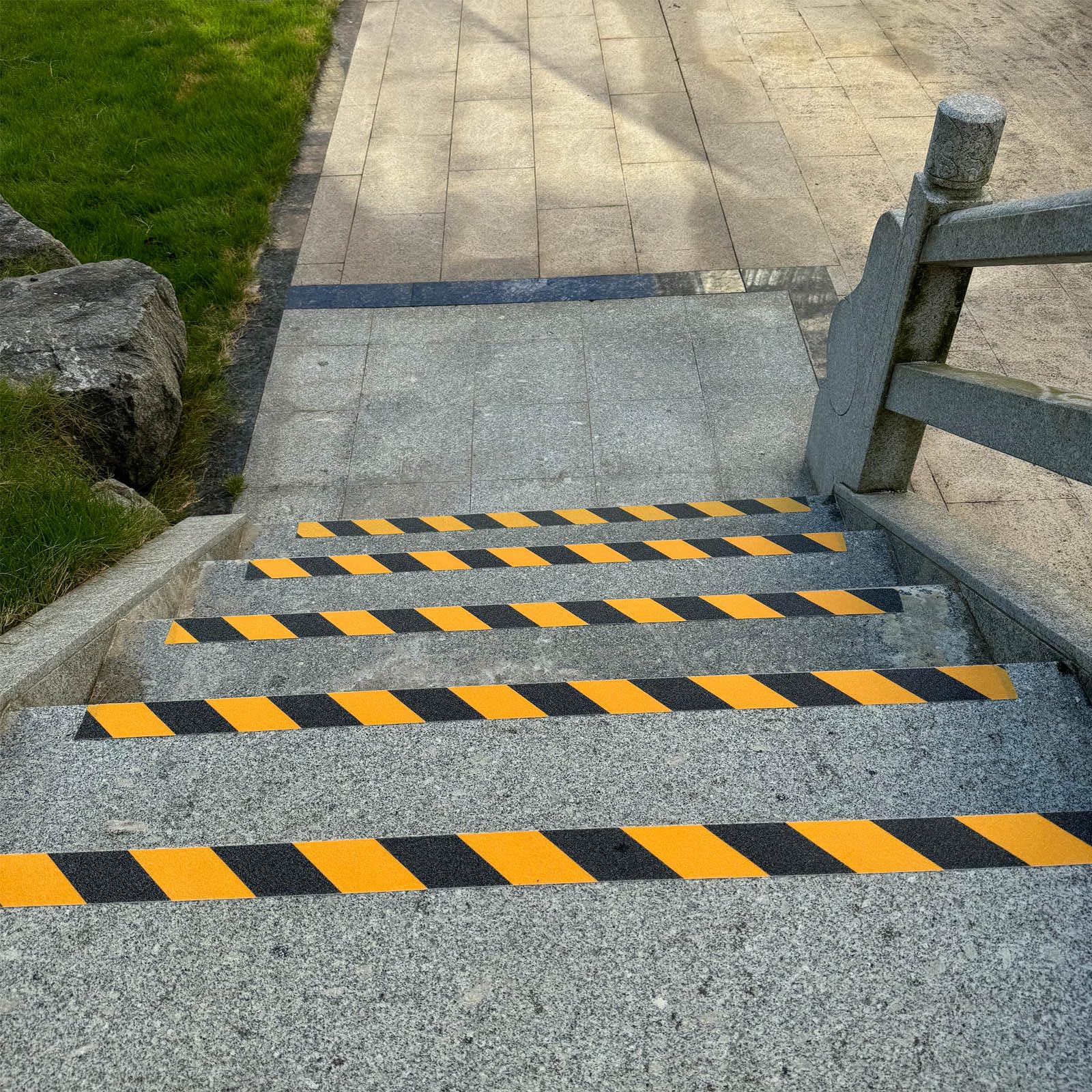
In industrial and commercial environments, safety issues are not always dramatic. Often, the most disruptive incidents are caused by something simple, a slip on a wet or smooth surface. These incidents may not always result in serious injury, but they can interrupt operations, trigger investigations, and affect workforce confidence. This is why anti slip tape Malaysia facilities rely on plays an important role in daily risk management.

Rather than reacting after an incident occurs, many organisations now focus on reducing exposure to common hazards before they lead to problems. Floor safety is one of the easiest areas to address proactively, because small improvements can be applied without changing how people move through the workplace.

How Minor Slip Incidents Affect Daily Operations

Slips and near misses often go unreported, yet they still affect productivity. When employees feel unsure on certain walkways or surfaces, they naturally slow down. Over time, that caution adds up. Jobs take longer, movement becomes less efficient, and staff may avoid certain routes even when they are the most direct.

In some cases, repeated minor incidents lead to bigger consequences. A few near misses can trigger internal safety reviews, additional supervision, or changes in operating procedures. If an incident is officially reported, it may involve documentation, follow up actions, and time spent on investigation. Even when nobody is seriously injured, the disruption can be significant.

By addressing traction early, businesses reduce interruptions caused by corrective actions and reactive safety work. Simple preventive measures help keep operations moving smoothly and reduce unnecessary attention on avoidable risks.
anti slip tape

Identifying High Exposure Areas During Safety Planning

During safety assessments, certain areas consistently appear as higher risk. These include access points between indoor and outdoor spaces, walkways near machinery, loading bays, ramps, stair edges, and maintenance access routes.

Moisture from rain, cleaning, spills, or condensation increases risk in these areas. Dust and residue can also build up and reduce grip, especially in workshops and industrial settings. When safety teams review floor conditions, it is often these transition zones and frequently used routes that show problems first.

Applying traction solutions during safety planning helps reduce hazards without changing existing layouts or workflows. It is a practical way to improve grip where people naturally walk, and it can be done in stages depending on which areas carry the highest exposure.

Supporting Compliance and Safety Audits

Safety audits often focus on how risks are identified and managed. Visible safety measures help demonstrate that steps have been taken to protect workers and visitors. For many facilities, it is not enough to say safety is a priority. The workplace needs to show real actions that reduce risk.

Floor traction aids are easy to document, easy to inspect, and simple to maintain. Their presence supports internal reviews and external compliance checks by showing that slip hazards are being actively managed. It also makes it easier for safety teams to track problem areas, because improvements can be clearly seen and monitored over time.

Reducing Long Term Liability and Maintenance Burden

Slip related incidents can lead to repeated reporting, increased insurance scrutiny, and ongoing corrective actions. Over time, this creates administrative and financial strain. Even if the incident itself seems minor, the follow up process can take time away from other operational priorities.

Preventive measures reduce the likelihood of repeated issues, allowing safety teams to focus on higher risk concerns. Simple solutions that are easy to replace or maintain help keep safety programs manageable over the long term. When a traction solution is built into routine inspection and maintenance, it becomes part of daily discipline rather than a reactive fix.

Choosing Products That Match Real Working Conditions

Floor surfaces, traffic volume, and exposure conditions vary across facilities. Some areas experience constant foot traffic and trolley movement. Others face oils, dust, outdoor weather, or repeated cleaning cycles. The same product may not perform equally well in every environment.

Selecting materials suited to real conditions improves durability and effectiveness. High traffic areas may need stronger grip and better wear resistance. Areas exposed to moisture may require reliable adhesion and consistent traction. Working with suppliers who understand industrial settings helps ensure the right materials are chosen from the start, reducing replacement frequency and performance issues later.

At Dalson Industrial Supplies, we provide safety solutions designed for real operational demands, helping businesses improve floor safety without unnecessary complexity.

Keeping Floor Safety Part of Daily Operations

Slip risks are often underestimated until they disrupt operations. Addressing these risks early protects safety, productivity, and workplace confidence. When people feel secure moving through the workplace, tasks flow more smoothly and routines stay consistent.

If you are reviewing floor safety as part of operational planning, you can explore suitable options at Dalson Industrial Supplies, and if you need assistance choosing what fits your environment, you can reach out here and our team will help.